MultiFrax Laser: What to Expect Before, During, and After Your Skin Resurfacing Treatment
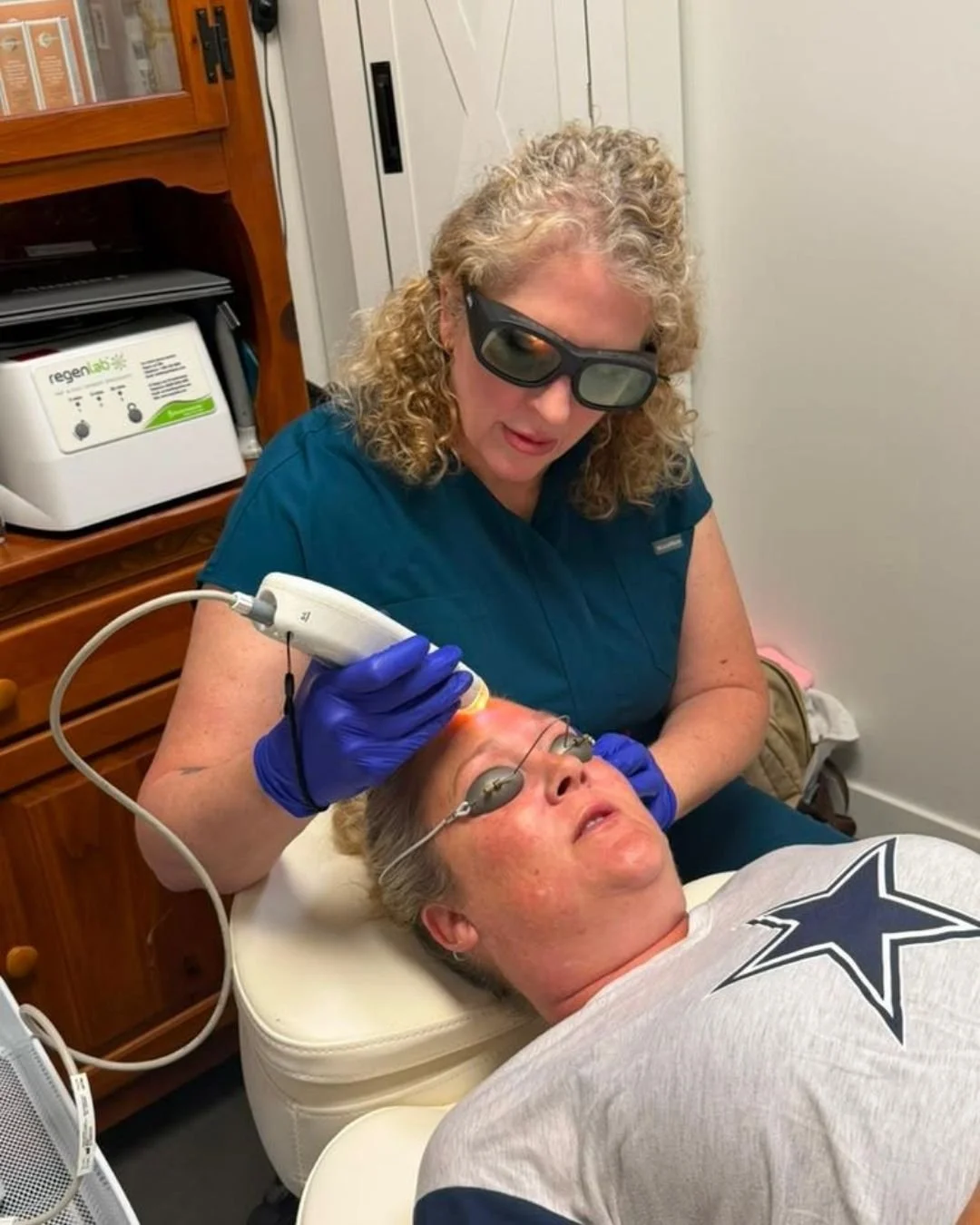
If you’ve been considering laser skin resurfacing but aren’t quite sure what the experience is actually like, you’re not alone.
The word “laser” can sound intimidating. Many people immediately imagine significant downtime, painful treatments, or having to hide at home for weeks.
But modern fractional laser resurfacing can be much more approachable.
At Snake River Aesthetics in Nampa, Idaho, we’re excited to offer MultiFrax, an advanced skin resurfacing treatment designed to improve the appearance of concerns such as fine lines, acne scars, sun damage, pigmentation, uneven skin tone, and rough texture.
The best place to start is with a consultation. But if you’re curious about what the process looks like, here’s what you can expect.
First: What Is MultiFrax?
MultiFrax is a fractional laser skin resurfacing treatment that uses dual-wavelength laser technology to address different skin concerns and depths.
Rather than simply exfoliating the surface of the skin, the treatment delivers controlled laser energy into targeted areas of the skin.
This triggers the body's natural repair and remodeling processes, helping support improvements in skin texture, tone, and overall skin quality.
The MultiFrax launch materials describe a full-face treatment as taking approximately 30–40 minutes, making it a relatively efficient in-office treatment.
But what happens before and after those 30–40 minutes is just as important.
Step 1: Your MultiFrax Consultation
Before treatment, we want to understand your skin—not just the concern you want to treat.
During your MultiFrax consultation, we can discuss:
Your primary skin concerns
Previous treatments
Your current skincare routine
Your aesthetic goals
Your lifestyle and schedule
Your expectations for treatment
Whether MultiFrax is an appropriate option for you
This is also your opportunity to ask questions.
Maybe you're primarily concerned about acne scars.
Maybe years of sun exposure have left you with pigmentation and uneven texture.
Maybe you're noticing fine lines and want to improve the overall quality of your skin.
Your treatment plan should be based on those individual concerns.
Not every person needs the same treatment—and not every skin concern requires a laser. That’s why consultation comes first.
Step 2: Preparing for Your Treatment
Once we've determined that MultiFrax is appropriate for you, we'll discuss how to prepare your skin and what you should expect around the time of your appointment.
Your preparation may depend on your current skincare routine, previous treatments, skin sensitivity, and the concerns we're treating.
This is one of the reasons I believe having a medical professional guide your treatment matters.
You shouldn't have to guess what you should or shouldn't be putting on your skin before a resurfacing treatment.
We'll walk you through the appropriate plan for your skin.
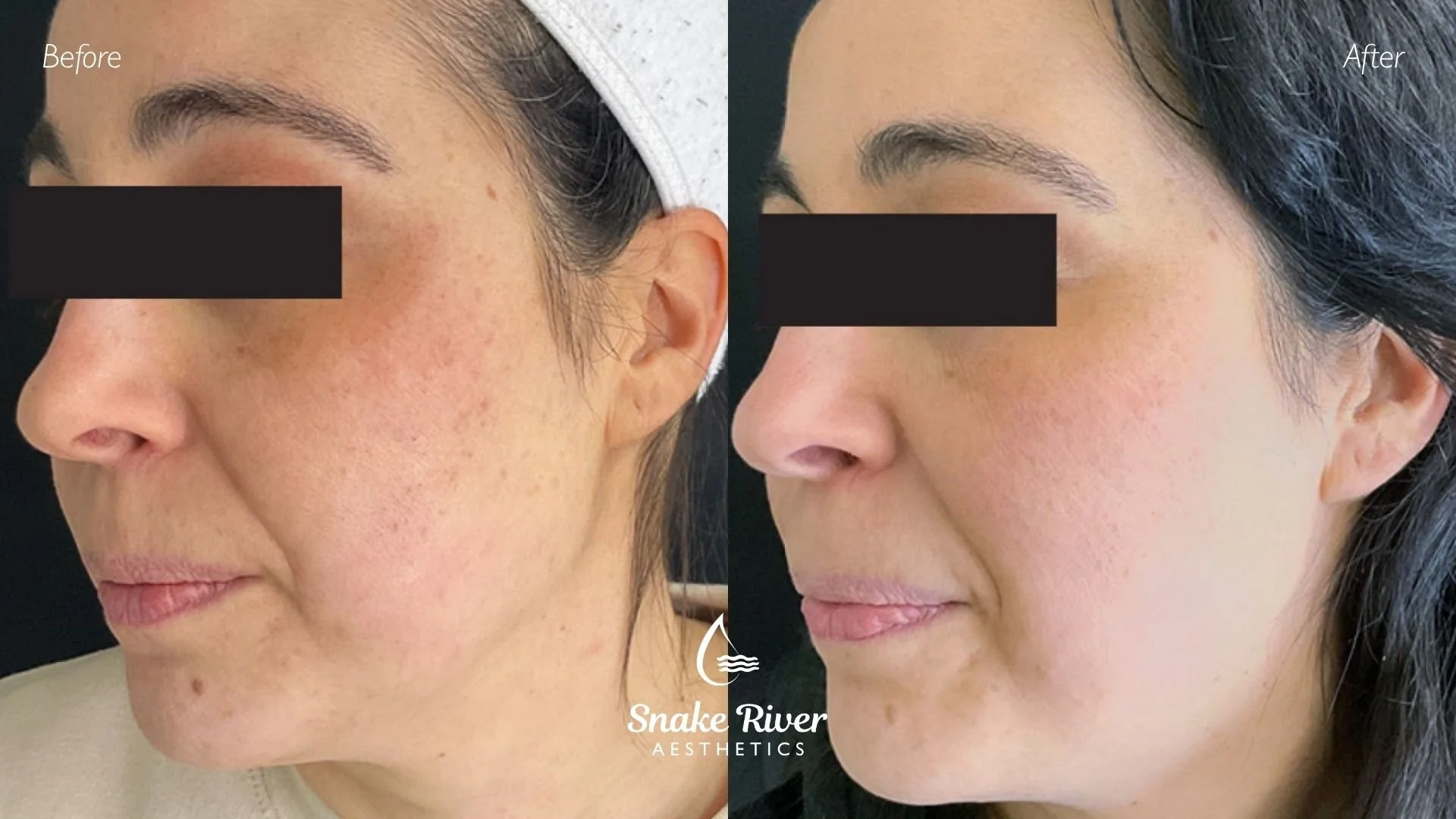
Step 3: Your MultiFrax Treatment
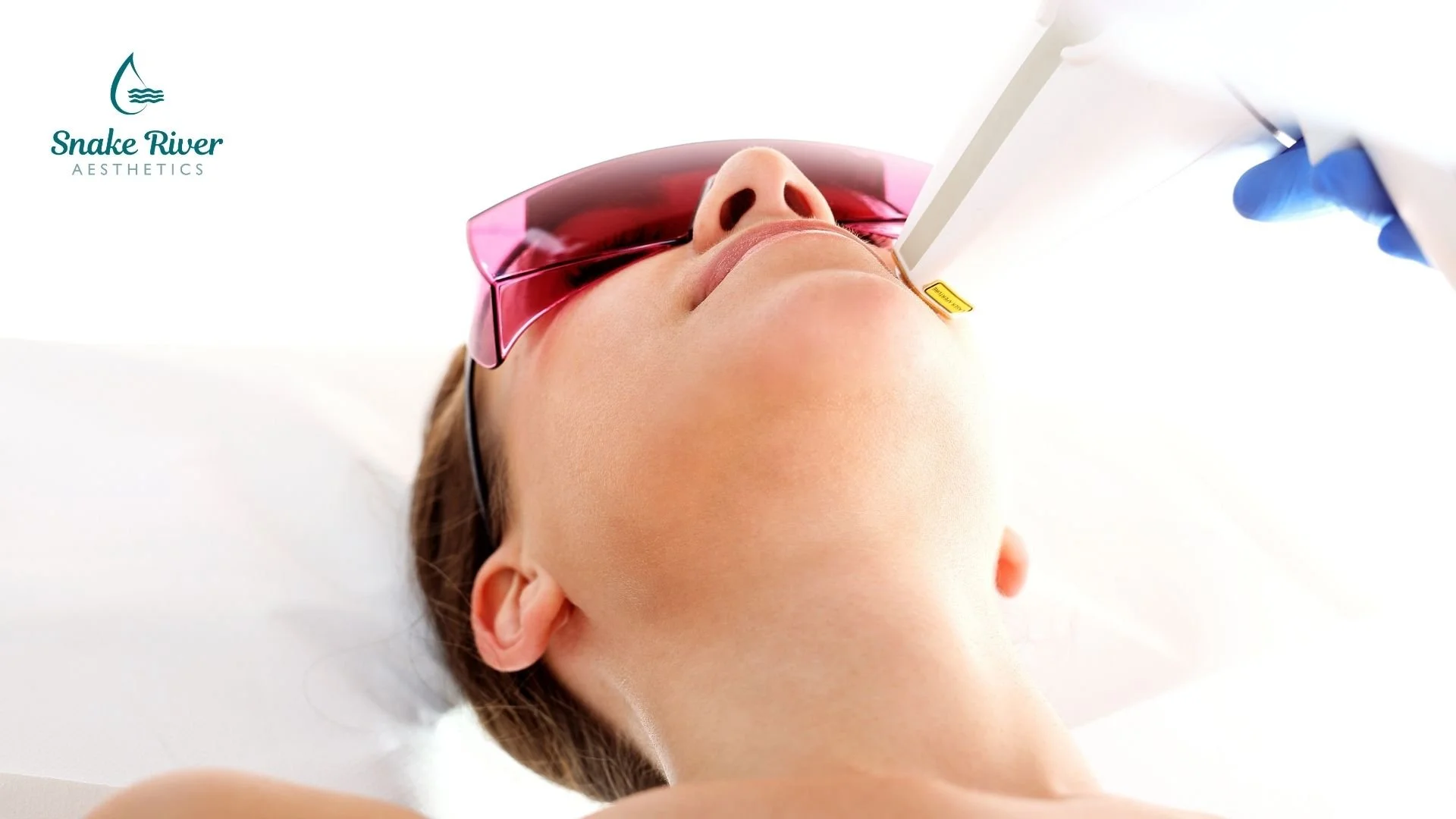
On treatment day, we'll prepare your skin and make sure you're comfortable before beginning. MultiFrax uses fractional laser technology to create controlled treatment zones in the skin.
The treatment is designed to stimulate the skin's natural healing and remodeling response while targeting concerns such as:
Fine lines and wrinkles
Acne scars
Sun damage
Age spots
Uneven skin tone
Rough or uneven texture
Enlarged pores
Because the treatment can be customized, your experience can vary depending on what we're treating and the treatment settings selected for you.
The treatment itself is relatively quick, with a full-face session taking approximately 30–40 minutes.
Step 4: What Happens After MultiFrax?
This is where patience becomes important. Laser resurfacing isn't about walking out of the clinic with your final result immediately.
Your skin continues its natural repair and remodeling process after treatment.
You may experience temporary redness, sensitivity, or other signs that your skin is responding to treatment. Recovery can vary depending on your individual skin and the intensity of treatment.
That's why I don't want you comparing your recovery to someone else's experience online.
Your skin is your skin.
We'll give you appropriate aftercare instructions and help you understand what is normal during your recovery.
Step 5: Your Skin Keeps Working
One of the things I love about treatments that support the skin's natural processes is that the work doesn't necessarily stop when you leave the clinic.
As your skin heals and remodels, improvements can continue to develop over the following weeks.
You may gradually notice:
Smoother-looking skin
More even texture
Improved brightness
A more refined appearance
Improvements in the appearance of fine lines
A healthier overall complexion
The goal isn't an overnight transformation.
It's progressive improvement in skin quality
Why Three Treatments Are Recommended
For our MultiFrax treatment plan, three treatments are recommended, with one treatment approximately every four weeks.
A series allows us to approach your skin goals progressively rather than expecting one treatment to correct every concern at once.
Your individual plan may vary depending on your skin and treatment goals, which is another reason your consultation is important.
Is There Downtime?
One of the questions I hear most often is:
“How much time do I need to take off?”
MultiFrax is designed as a fractional, non-ablative resurfacing treatment, and the launch materials emphasize minimal downtime.
However, I always recommend planning around your individual recovery, rather than assuming your skin will respond exactly like someone else's.
Depending on your treatment, you may experience redness, sensitivity, or other temporary changes while your skin recovers.
We'll discuss what to expect before you decide to move forward.
MultiFrax Isn't About Changing Your Face
This is probably the most important part. When I talk about aesthetic treatments, I'm not interested in making someone look like a completely different person.
I'm interested in helping you take better care of the skin you're already in.
MultiFrax can be part of a larger skin health plan that may also include medical-grade skincare, sunscreen, microneedling, chemical peels, PRP, or other treatments depending on what your skin needs.
The goal is healthier-looking skin—not perfection.
Our MultiFrax Introductory Offer
To celebrate bringing MultiFrax to Snake River Aesthetics, we're offering an introductory special:
Buy 2 MultiFrax Treatments, Get Your 3rd Treatment FREE
Three treatments are recommended, with one treatment every four weeks.
This introductory offer is available through September 30, 2026.
MultiFrax treatments are available for booking now!
Before booking your treatment, you'll need to schedule a MultiFrax consultation so we can determine whether the treatment is right for you.
Ready to Find Out If MultiFrax Is Right for You?
If you've been thinking about improving acne scars, sun damage, pigmentation, fine lines, or uneven skin texture, this may be the right time to explore your options.
At Snake River Aesthetics in Nampa, Idaho, we take a personalized, nurse-led approach to aesthetic care.
We don't believe in chasing trends or promising overnight perfection.
We believe in understanding your skin, choosing appropriate treatments, and creating a plan that fits your goals, your lifestyle, and your skin.
Schedule your MultiFrax consultation today and let's see what this new skin resurfacing treatment could do for you.