MultiFrax vs. Microneedling and Chemical Peels: Which Skin Resurfacing Treatment Is Right for You?
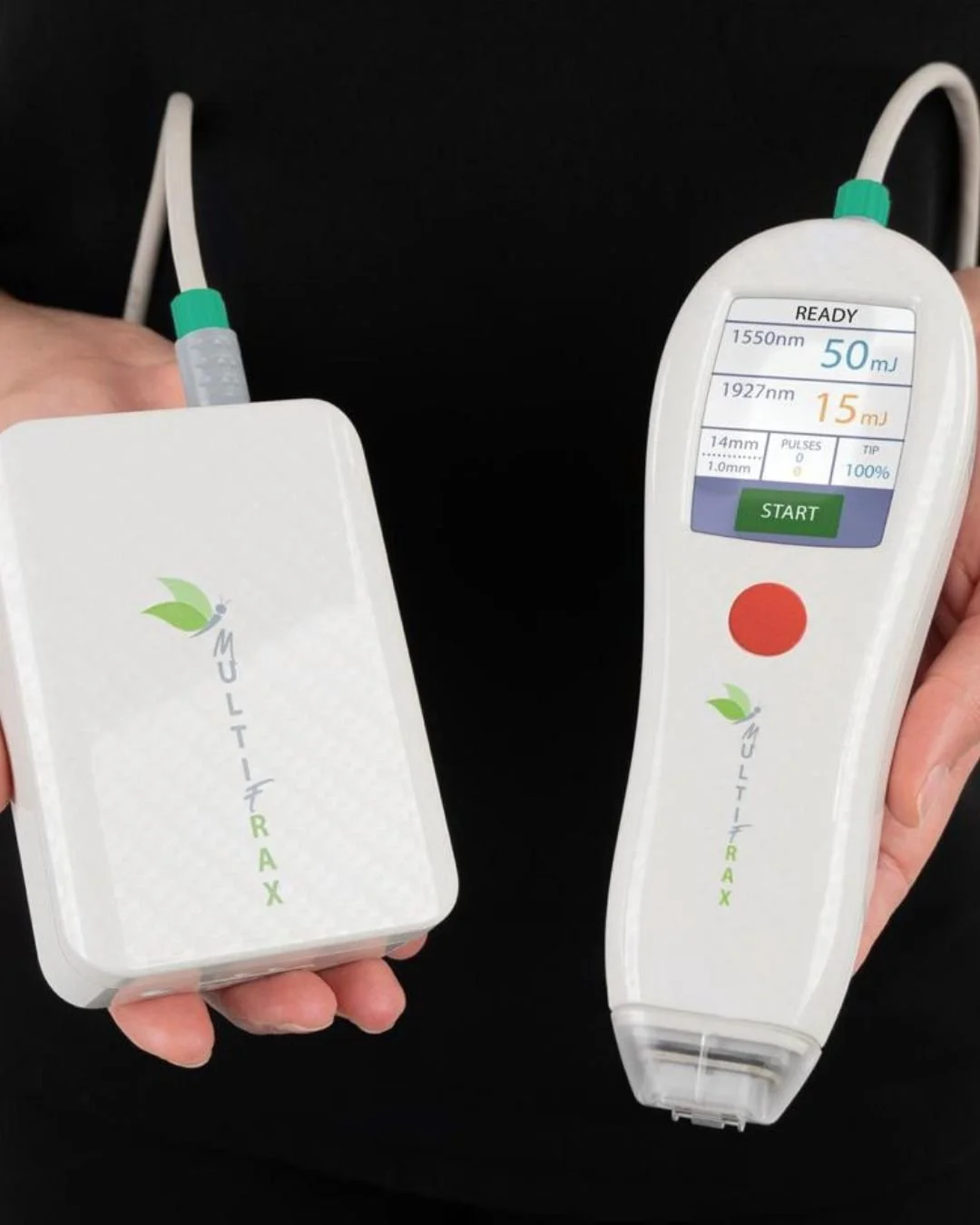
If you've been researching ways to improve your skin, you've probably come across the same treatments again and again:
Microneedling. Chemical peels. Laser resurfacing.
But how do you know which one is right for you? The answer isn't as simple as choosing the treatment with the most impressive before-and-after photos.
At Snake River Aesthetics in Nampa, Idaho, I believe the best aesthetic treatment is the one that makes sense for your skin, your concerns, your lifestyle, and your goals.
Now that we're offering MultiFrax laser skin resurfacing, I wanted to explain how it compares with some of the other treatments I already recommend.
Microneedling
Microneedling uses tiny needles to create controlled micro-injuries in the skin. This triggers the body's natural healing response and stimulates collagen production.
It's one of my favorite treatments for concerns such as:
Fine lines
Acne scars
Uneven texture
Enlarged pores
Overall skin quality
Microneedling can also be combined with PRP for patients who want to incorporate platelet-rich plasma into their treatment plan.
When Might Microneedling Make Sense?
Microneedling can be a great choice when the primary goal is improving skin texture and stimulating collagen without using laser energy. It's also an excellent treatment to incorporate into a longer-term skin maintenance plan.
Chemical Peels
Chemical peels take a different approach. A carefully selected chemical solution is applied to the skin to encourage exfoliation and renewal.
Depending on the formulation and depth, peels can help improve concerns such as:
Dull skin
Uneven tone
Pigmentation
Acne
Sun damage
Rough texture
The key is selecting the appropriate peel for your skin and concerns.
MultiFrax Laser Resurfacing
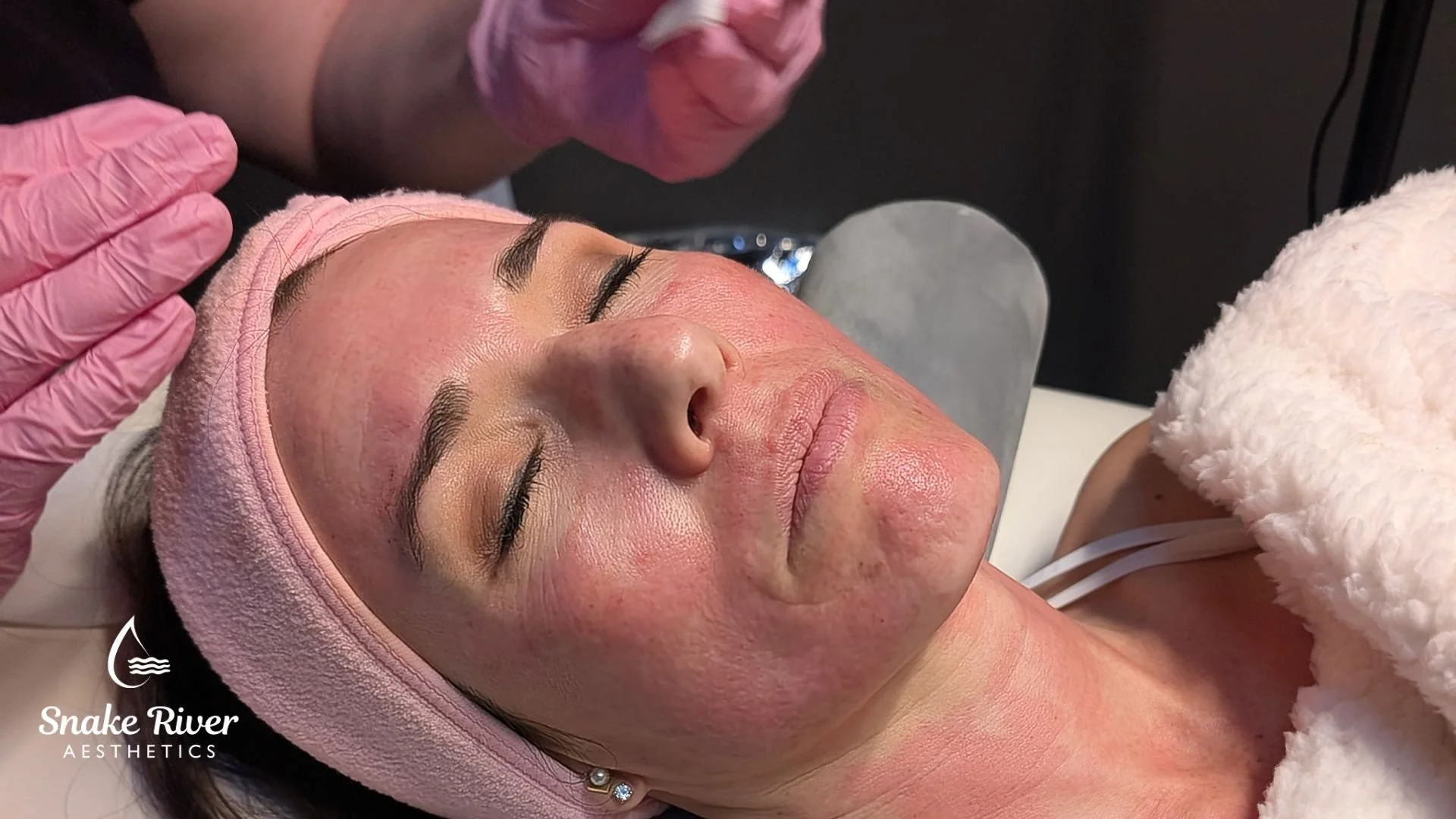
MultiFrax takes another approach by using fractional non-ablative laser energy to create controlled treatment zones within the skin. The MultiFrax system uses two wavelengths—1550 nm and 1927 nm—which can target different skin concerns and depths.
This makes it particularly interesting for patients who are dealing with multiple concerns at the same time, such as:
Acne scars and uneven texture
Fine lines and wrinkles
Sun damage
Pigmentation
Age spots
Overall skin quality
Instead of simply asking, "Which treatment is best?" I prefer to ask:
What does your skin actually need?
So Which Treatment Should You Choose?
There isn't one universal answer.
If you're primarily concerned about texture and collagen:
Microneedling may be an excellent option.
If you're looking for exfoliation and improved brightness or tone:
A chemical peel may be appropriate.
If you're dealing with a combination of pigmentation, texture, acne scars, sun damage, and fine lines:
MultiFrax may be worth considering.
And sometimes, the answer is a combination of treatments.
That's where a personalized consultation becomes important.
What Makes MultiFrax Different?
One of the things I find particularly interesting about MultiFrax is its dual-wavelength technology. The device can deliver both 1550 nm and 1927 nm wavelengths through a single tip, allowing the treatment to address different skin concerns as part of one treatment approach.
MultiFrax is also a non-ablative fractional laser, meaning it is designed to create controlled treatment zones while preserving surrounding tissue. This approach supports the skin's natural healing process while aiming to minimize unnecessary tissue injury.
That doesn't mean there is no recovery. Laser treatments can still cause temporary redness, sensitivity, swelling, or other changes depending on the treatment settings and your individual skin.
I'll always explain what you can realistically expect before treatment.
How Long Does a MultiFrax Treatment Take?
A full-face treatment takes approximately 30–40 minutes, according to the MultiFrax launch materials. The actual appointment time may vary depending on your treatment plan and preparation.
The important part isn't simply how quickly the treatment is completed. It's what happens afterward.
Your skin continues its natural repair and remodeling process after treatment, meaning visible improvements can continue to develop over the following weeks.
Three Treatments Are Recommended
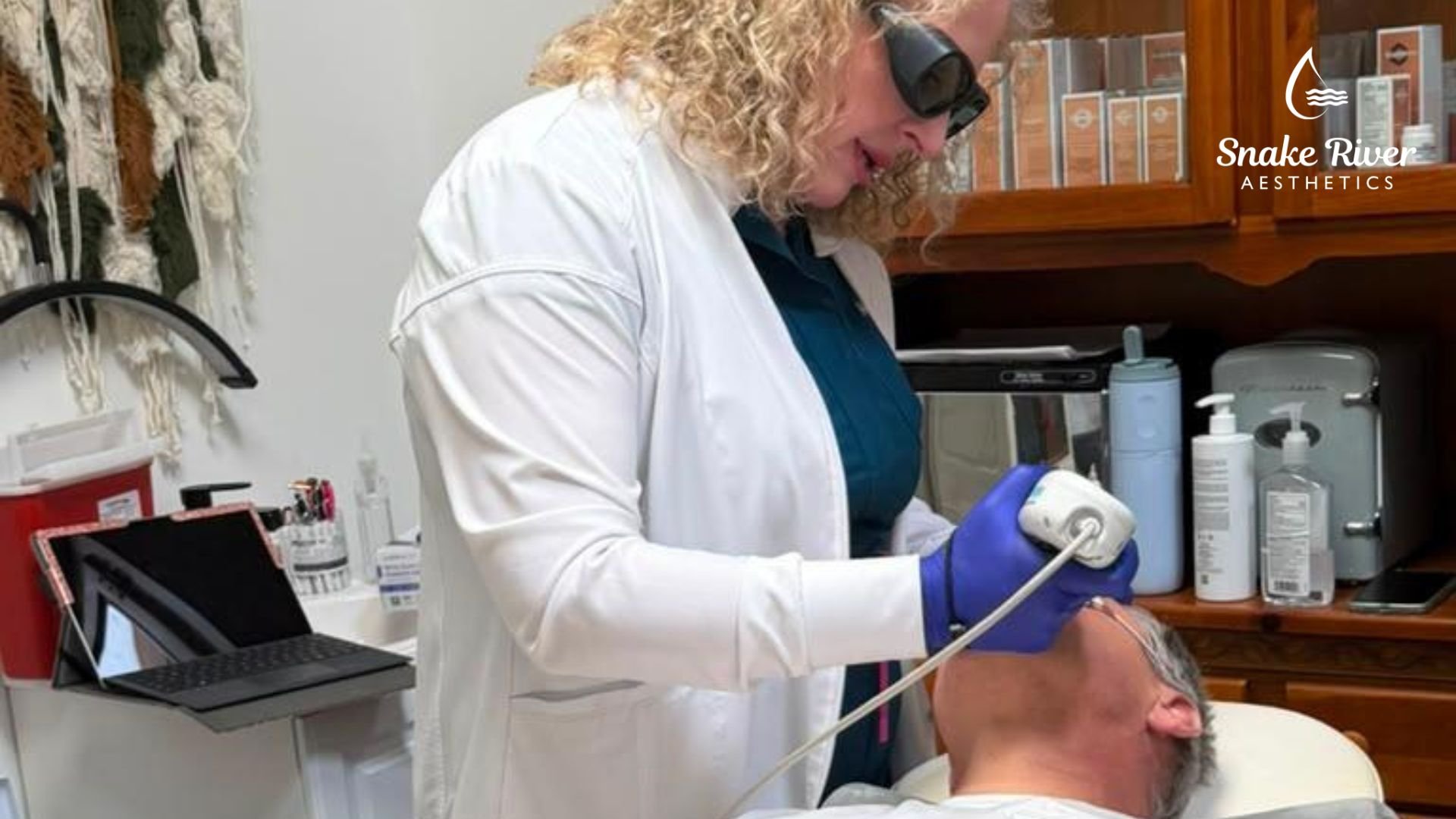
For the MultiFrax launch at Snake River Aesthetics, we're recommending a series of three treatments spaced approximately four weeks apart. A series allows us to progressively work toward your skin goals rather than expecting one treatment to accomplish everything.
And that's very consistent with how I approach aesthetics in general.
Good skin isn't about chasing one dramatic treatment.
It's about creating a thoughtful plan and staying consistent.
Introductory MultiFrax Offer
To celebrate bringing MultiFrax to Snake River Aesthetics, I'm offering an introductory promotion:
Buy 2 MultiFrax Treatments, Get Your 3rd Treatment FREE
Three treatments are recommended, with one treatment approximately every four weeks.
This introductory offer is available through September 30, 2026.
I will begin booking MultiFrax treatments on Saturday, August 22, 2026.
A MultiFrax consultation is required first to determine whether this treatment is appropriate for you.
Your Skin Doesn't Need to Follow a Trend
One of my biggest beliefs as a nurse and aesthetic provider is that your treatment plan should be based on your skin—not what's trending online.
Sometimes that's microneedling.
Sometimes it's a chemical peel.
Sometimes it's medical-grade skincare.
Sometimes it's MultiFrax.
And sometimes, it's a combination.
The goal is always the same: healthier-looking skin, natural results, and a plan that makes sense for you.
Ready to See If MultiFrax Is Right for You?
If you're in Nampa, Boise, or the surrounding Treasure Valley and want to learn more about laser skin resurfacing, I'd love to meet with you.
Multifrax Laser: https://www.snakeriveraesthetics.com/blog/multifrax-laser-skin
Schedule your MultiFrax consultation at Snake River Aesthetics and we'll talk through your concerns, your goals, and whether this treatment is the right fit for your skin.
Your skin doesn't need to be perfect. It just deserves a plan.